Blog
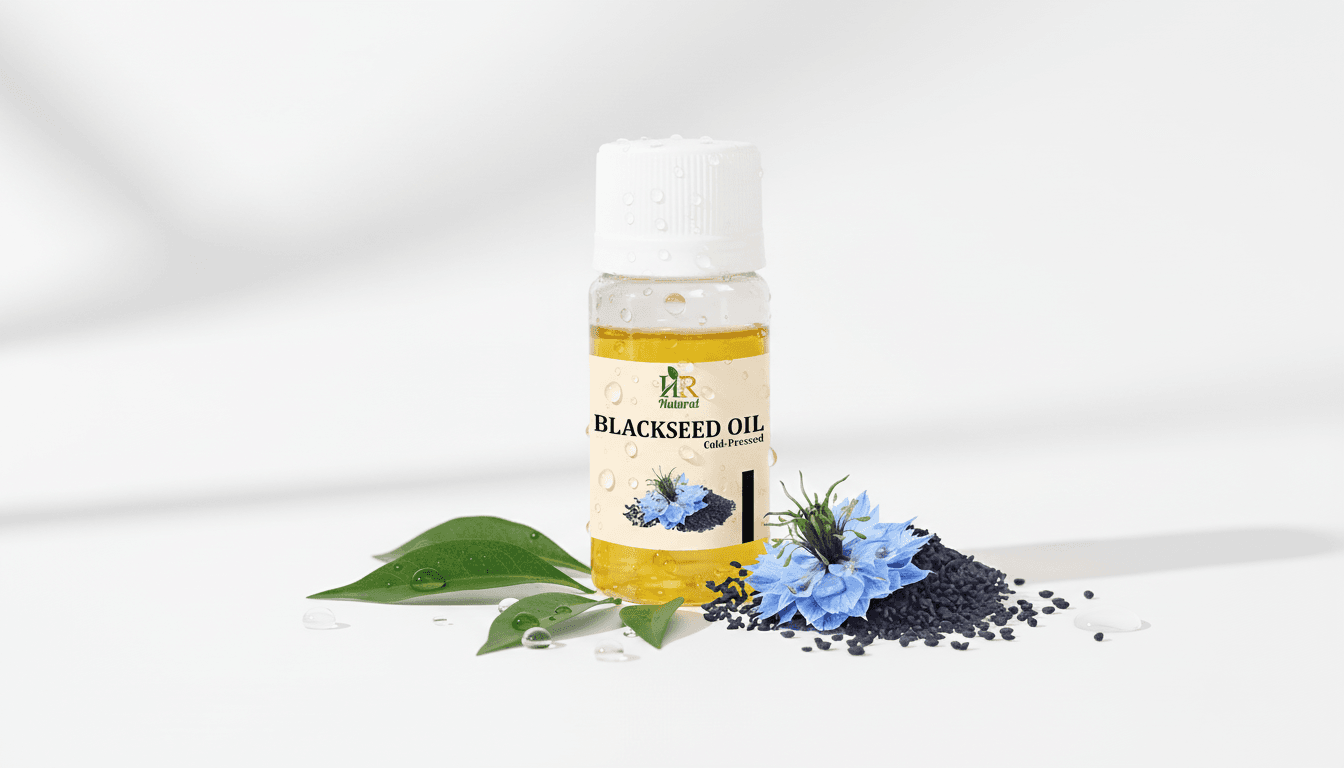
Black Seed Oil Benefits: A Complete Science-Backed Guide

Black Seed Oil Benefits: A Clear, Honest, and Science-Supported Guide
If you’ve spent even a few days exploring natural wellness, you’ve probably heard someone say, “Black seed oil cures everything except death!”
That line goes viral every year — and while it sounds dramatic enough to win an Oscar, it obviously isn’t literal. What is true, however, is that black seed oil has been widely studied and respected for centuries due to its unique mix of plant compounds.
In this article, we’ll walk through the real black seed oil benefits, what science says about it, and how people use it today. You’ll get a clear, balanced breakdown with no exaggerated promises, no magical claims, and no random myths.
What Exactly Is Black Seed Oil?
Black seed oil comes from the seeds of Nigella sativa, a flowering plant traditionally used in Middle Eastern, South Asian, and North African medicine systems. These seeds are often called black cumin, kalonji, or black caraway, depending on where you live.
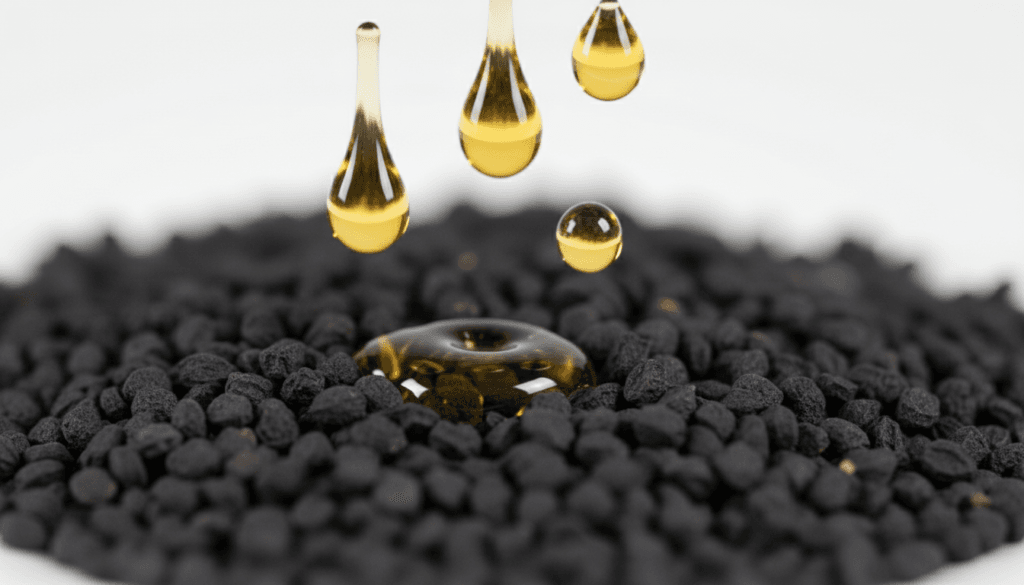
The oil is rich in:
- Thymoquinone (TQ) — the main active component with antioxidant and anti-inflammatory properties.
- Healthy fatty acids like linoleic acid and oleic acid
- Plant-based antioxidants
- Trace minerals and vitamins
Most of black seed oil benefits come from thymoquinone, which has been studied in research published in journals such as the Asian Pacific Journal of Tropical Biomedicine and Journal of Ethnopharmacology.
1. Strong Antioxidant Protection
One of the biggest black seed oil benefits is its ability to fight oxidative stress.
Oxidative stress is when free radicals damage your cells — kind of like when your phone overheats after running ten apps at once.
Why this matters:
Oxidative stress contributes to aging, inflammation, and many long-term health problems. Studies have shown that thymoquinone helps neutralize free radicals and supports the body’s natural defense systems.
Trusted sources include:
- Peer-reviewed research from Frontiers in Pharmacology
- Studies available in the National Library of Medicine (NIH) database
These findings support black seed oil’s role as a natural antioxidant, without claiming it’s a miracle cure.
2. Supports Immune Health
Your immune system is like your personal security team — and black seed oil helps keep that team active and responsive.
Research suggests that black seed oil may help support normal immune function due to its antioxidant and anti-inflammatory properties. A review published in the Journal of Herbal Medicine noted that Nigella sativa may promote healthy immune responses without overstimulating the system.
People commonly use it for general wellness, especially during seasonal changes, though it should never replace medical treatment for serious conditions.
3. Helps Maintain Healthy Inflammation Levels
Inflammation is a double-edged sword. You need it to fight infections, but too much of it can make everyday life feel like your body’s throwing a silent protest.
Black seed oil has been shown to support balanced inflammation levels. The thymoquinone compound is the star here again — research published in the International Journal of Molecular Sciences explains its role in normal inflammatory pathways.
Users commonly take black seed oil to support joint comfort, muscle recovery, and general mobility.

4. Supports Healthy Skin
Skincare lovers adore black seed oil — and not just because it sounds fancy.
Here’s what research and dermatology observations suggest:
✔ Helps calm irritated skin
The oil’s soothing and anti-inflammatory nature can help support calm, comfortable skin.
✔ Supports balanced oil production
Its fatty acid profile helps regulate moisture without clogging pores.
Many people use it for oily or dry skin because it naturally balances hydration levels.
✔ Helps with skin barrier support
Healthy fatty acids strengthen the outer layer of your skin, helping protect against dryness and environmental stress.
✔ May help with acne-prone skin
Some small studies suggest that topical use of black seed oil may help reduce breakouts due to its calming and antibacterial properties.
Dermatologists often mention that black seed oil is well tolerated for most skin types, though patch testing is recommended.
5. Promotes Scalp and Hair Health
If you’ve ever seen hair oils with “black seed” written in bold letters, there’s a reason.
Black seed oil is used in hair care for:

✔ Supporting scalp comfort
Its soothing properties help people dealing with dryness or irritation.
✔ Hydrating the hair strands
The natural oils coat the hair fibers, reducing dryness and frizz.
✔ Helping with breakage
Healthier, moisturized strands are less likely to break.
✔ Creating a healthier environment for hair growth
A calm, nourished scalp supports hair health overall.
While research on hair growth specifically is limited, the oil’s nutrients and anti-inflammatory effects are widely acknowledged in cosmetic science.
6. Aids in Digestive Comfort
Traditional wellness systems have long used black seed oil for digestion, and some modern research supports these uses.
People often take black seed oil to help with:
- Occasional bloating
- Mild indigestion
- General digestive comfort
A review published in Phytotherapy Research noted that black seed oil may support normal digestive processes. Again, the idea is support — not cure-all magic.
7. Helps Maintain Healthy Blood Sugar Levels (When Used Responsibly)
Several controlled studies highlight that one of the key black seed oil benefits is its ability to support normal blood sugar levels when used alongside a balanced diet and healthy lifestyle.
Research published in the Journal of Endocrinology and Metabolism suggests that Nigella sativa may support insulin activity. However, this should not replace medical treatment, and anyone with diabetes must consult a doctor before using it.
8. Supports Heart and Cholesterol Health
Heart health benefits are one of the most researched aspects of black seed oil.
Key findings from reputable journals show that black seed oil:
- Helps maintain healthy cholesterol levels
- Supports good HDL levels
- May assist in maintaining normal blood pressure
These effects come from its antioxidant activity and healthy fatty acid content.
Again, it supports — it doesn’t replace prescribed heart medication.
9. Natural Support for Weight Management
Black seed oil is not a magic weight-loss button, but it may help in a supportive way.
Research indicates that:
- It may help reduce appetite slightly
- It helps maintain balanced inflammation
- It supports metabolic function
A study found in the NIH database noted small but promising results when black seed oil was used alongside a calorie-controlled diet and active lifestyle.
The keyword here is alongside — not instead of.
10. May Support Respiratory Comfort
Traditional medicine often uses black seed oil for respiratory health, and modern studies show that it may help support:
- Clear breathing
- Normal airway comfort
- Overall respiratory wellness
A review in Evidence-Based Complementary and Alternative Medicine highlighted promising results for normal respiratory function.
These black seed oil benefits stem from the oil’s soothing and antioxidant properties.
How to Use Black Seed Oil Safely
Using black seed oil is simple, but a few guidelines keep it safe and effective:
Start small
½ teaspoon daily is common for beginners.
Choose HR Natural cold-pressed oil
It retains more nutrients.
Store it properly
A cool, dark place preserves freshness.
Consult a healthcare professional if you:
- Are pregnant
- Take medication
- Have chronic conditions
Topical use should always begin with a patch test.
Are There Any Side Effects?
HR Natural Black seed oil is generally safe in normal dietary amounts.
However, taking extremely large doses may cause:
- Digestive discomfort
- Allergic reactions (rare)
- Possible interaction with medications
Using it responsibly is the key.
Final Thoughts: Should You Use Black Seed Oil?
Black seed oil has earned its reputation for a reason. It offers real, research-backed black seed oil benefits — especially for inflammation, immunity, hair, skin, and general wellness. What makes it even better is that it’s natural, accessible, and easy to add to your routine.
Just remember:
- It supports your health; it doesn’t replace medical treatment.
- Black seed oil benefits grow with consistency.
- Quality matters — always choose genuine, cold-pressed black seed oil.
If you want a simple, natural way to support your overall well-being, black seed oil is genuinely worth considering.
FAQ Section
1. What is black seed oil?
It’s an oil made from the seeds of Nigella sativa, known as black cumin or kalonji. It contains thymoquinone, which provides many of its benefits.
2. What are the top black seed oil benefits?
Research shows it supports antioxidant activity, immune health, normal inflammation, skin balance, scalp comfort, digestion, and heart wellness.
3. Is black seed oil safe for daily use?
Yes, small amounts are generally safe. Most people take ½–1 teaspoon daily. Anyone with medical conditions should speak to a doctor first.
4. Can I use black seed oil on my face?
Yes, many people use it to calm the skin, balance moisture, and support barrier health. Patch testing is recommended before full use.
5. Does black seed oil help with hair growth?
It supports scalp health and reduces dryness, which creates a better environment for strong hair, but it’s not a miracle growth product.
6. Are there any side effects?
High doses may cause stomach discomfort. Allergies are uncommon but possible. Responsible use is key.
7. Can pregnant women use black seed oil?
Pregnant or breastfeeding women should avoid internal use unless approved by a healthcare professional.