Blog
Coconut Oil Benefits: Science-Backed Uses for Skin, Hair & Health

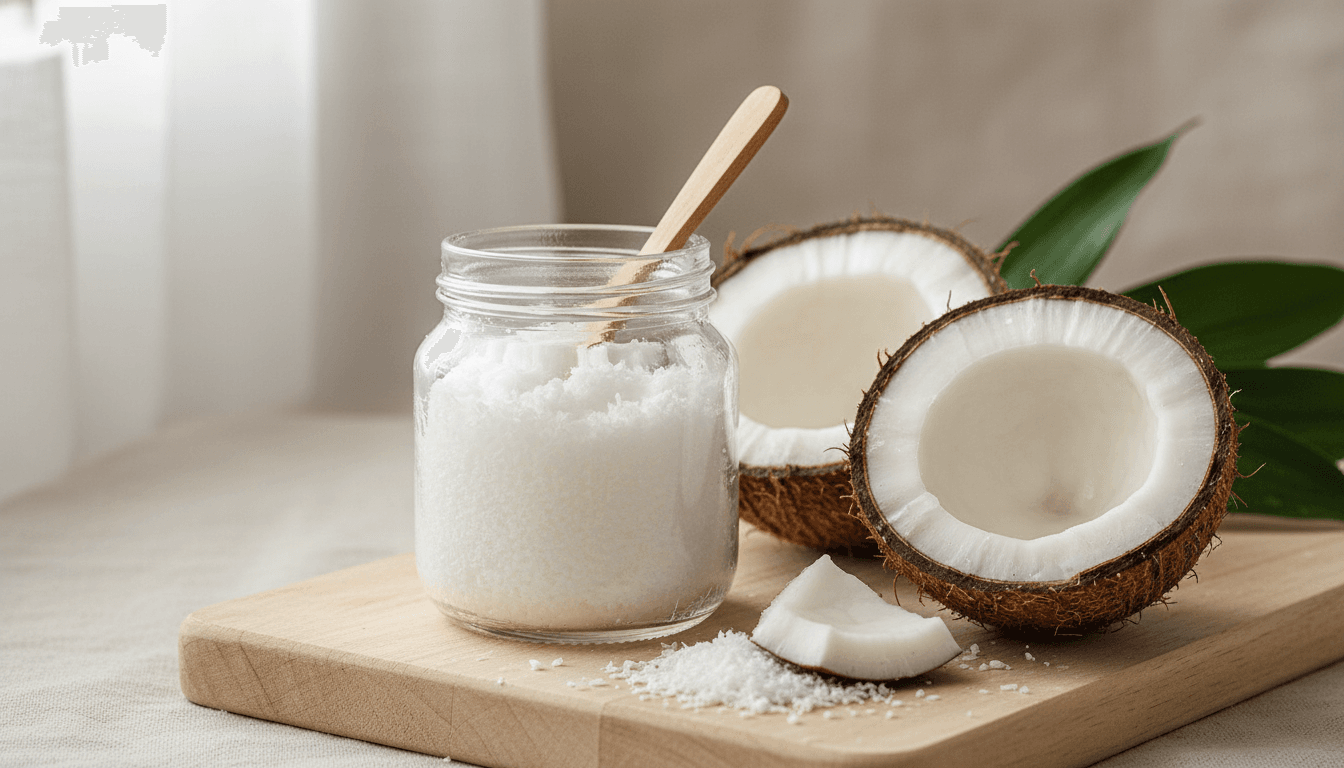
Coconut oil has been around longer than most of our modern “superfood trends.” Yet it still manages to stay in the spotlight. Some people swear by it for cooking, others use it for hair care, and a few might even treat it like a miracle in a jar.
Now, is coconut oil a magical cure for everything? No.
Is it useful, practical, and backed by real evidence for several benefits? Absolutely.
This article breaks down the real coconut oil benefits—based on trusted sources, simple logic, and a little humour. Think of it as a friendly guide that explains what coconut oil can actually do without pretending it will fix your taxes or make you taller.
1. What Makes Coconut Oil Unique?
Coconut oil stands out because of its fatty acid profile. Instead of being packed with long-chain fats like most oils, coconut oil contains a high amount of medium-chain triglycerides (MCTs)—especially lauric acid.
According to Harvard School of Public Health, lauric acid behaves differently from typical saturated fats. It’s metabolized faster and provides quick energy. This is the reason many athletes and fitness enthusiasts love adding coconut oil or MCT oil to their diets.
In simple terms:
Your body doesn’t store these fats the same way it stores butter-fried French fries. It tends to use them faster.
2. Coconut Oil for Skin: A Natural Moisturizer That Actually Works
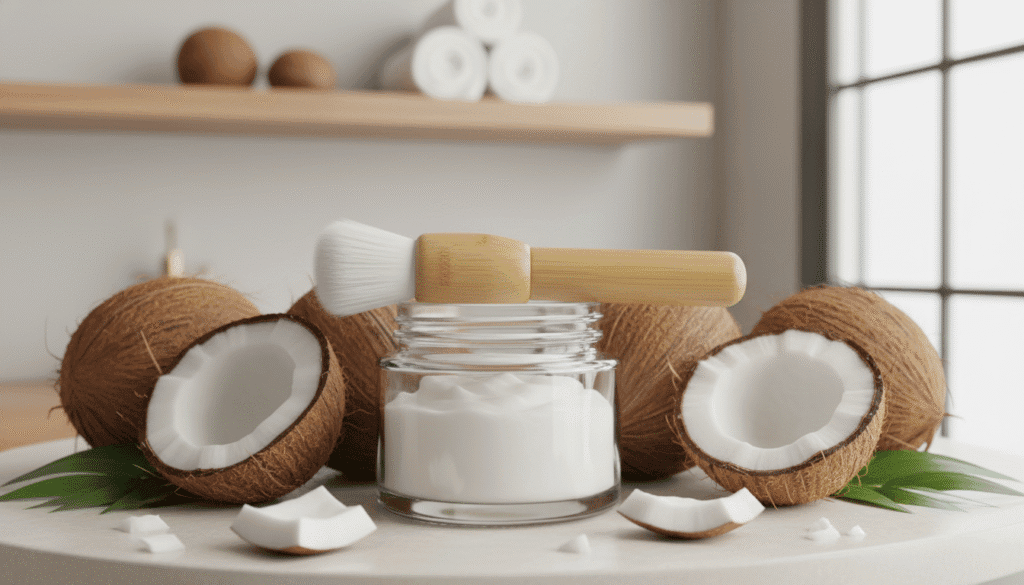
One of the biggest coconut oil benefits is its role in skincare. And unlike many beauty myths, this one has real evidence behind it.
Why it helps
- Coconut oil is rich in fatty acids, which support the skin’s natural moisture barrier.
- According to research published in the International Journal of Dermatology, coconut oil has antimicrobial properties thanks to lauric acid.
- It reduces skin dryness, helps soothe irritation, and supports smoother skin.
Who it suits
- Dry skin
- Normal skin
- People looking for a natural moisturiser
Be careful if you have acne-prone skin
Dermatologists, including experts at the Cleveland Clinic, suggest avoiding coconut oil on acne-prone skin because it may clog pores.
So yes, coconut oil can give a beautiful glow—just make sure your pores aren’t planning a breakout party.
3. Coconut Oil for Hair: Soft, Shiny, and Less Breakage
If you grew up in a home where “oil your hair!” was a weekly ritual, coconut oil probably has sentimental value. But tradition aside, science supports some of these results too.

How it benefits hair
- It reduces protein loss from hair strands (supported by a well-known study in the Journal of Cosmetic Science).
- It penetrates hair shafts better than oils like sunflower or mineral oil.
- It helps reduce frizz, dryness, and breakage.
Why so effective?
Coconut oil has low molecular weight and straight-chain structure, allowing it to enter deeper into the hair instead of sitting on top like a greasy hat.
If your hair is dry, tangled, or feels like straw after heat styling, coconut oil may feel like a blessing.
4. Coconut Oil Benefits for Health: What’s Real and What’s Exaggerated
Let’s be honest—coconut oil has received both love and criticism. Some call it a “superfood,” while others blame it for being high in saturated fats.
The truth sits somewhere in the middle.
✔ A Quick Energy Source
Because coconut oil contains MCTs, your body converts these fats into energy faster. This can support:
- workouts
- mental focus
- steady energy levels
This is why many people add it to their morning coffee. Just don’t add half a cup and then wonder why your stomach feels confused.
✔ Antimicrobial Properties
Lauric acid helps fight certain bacteria, fungi, and viruses. Healthline and many dermatology studies support this benefit.
✔ May Support Good Cholesterol (HDL)
Some studies show that coconut oil can increase HDL (“good cholesterol”).
But it may also increase LDL (“bad cholesterol”), so balance is key.
✔ Supports Digestion (Indirectly)
Coconut oil may help improve nutrient absorption because of its fat content. Fats help the body absorb fat-soluble vitamins A, D, E, and K.
What Coconut Oil Does Not Do
- It does not magically burn belly fat.
- It does not replace proper medical treatment for diseases.
- It won’t give you abs unless you visit the gym and stop eating biryani every night.
So, enjoy coconut oil—but stay realistic.
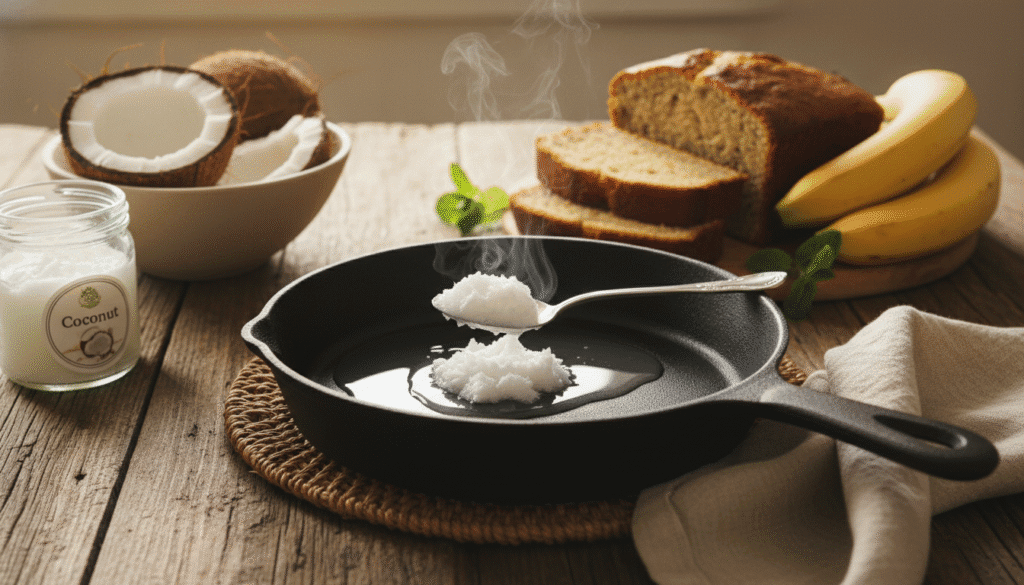
5. Coconut Oil in Cooking: Delicious and Practical
Coconut oil has a distinct flavor that works beautifully in:
- baking
- sautéing vegetables
- frying certain dishes
- smoothies
- curries
Why it’s good for cooking
- It has a high smoke point, making it stable at high heat.
- MCTs give a quick energy boost.
Which type to choose
- Virgin coconut oil for aroma and health benefits.
- Refined coconut oil for neutral taste and high-heat cooking.
Experts at Harvard and nutrition centers recommend moderation. A tablespoon in cooking occasionally is fine, but treating it like water is not a good idea.
6. Coconut Oil for Oral Health (Oil Pulling)
Oil pulling is an age-old practice where you swish coconut oil in your mouth for 5–20 minutes. Sounds strange, but science has something to say.
Studies published in the Journal of Contemporary Dental Practice show that coconut oil pulling can reduce harmful bacteria like Streptococcus mutans, which contributes to plaque.
Benefits include
- Fresher breath
- Reduced plaque
- Better oral hygiene
It won’t replace brushing or flossing, but it’s a great add-on—like using mouthwash, but more natural and less minty drama.
7. Coconut Oil for Weight Management: Realistic Facts
There’s a lot of noise on the internet about coconut oil melting fat overnight.
Let’s clear the air.
What’s true
MCTs can:
- slightly boost metabolism
- help with energy
- reduce appetite in some people
These effects are small but real.
What’s false
Coconut oil won’t:
- burn belly fat on its own
- replace exercise
- work miracles
Think of it as a helpful ingredient, not a magic potion.
8. Skin Problems Coconut Oil May Help With
Coconut oil may support:
- mild eczema
- dry patches
- flaky skin
- irritated skin
A study in Dermatitis found that coconut oil worked better than mineral oil for eczema in children.
It’s gentle, natural, and soothing.
Just remember: if you have oily or acne-prone skin, use it carefully.
9. Coconut Oil for Wounds and Inflammation
Some limited evidence suggests that coconut oil may support wound healing thanks to its:
- antimicrobials
- anti-inflammatory effects
- moisturizing power
While it can help minor skin irritations, it should not replace medical care for serious cuts or infections.
10. How to Choose the Right Coconut Oil
When shopping, look for:
- Virgin or extra-virgin coconut oil
- Cold-pressed options
- Non-hydrogenated oils
- Clear labeling with no added chemicals
If the aroma reminds you of fresh coconut instead of plastic, you’re probably holding the right jar.
11. How Much Coconut Oil Should You Use Daily?
Most nutritionists recommend:
1–2 tablespoons per day, depending on your diet and health goals.
Too much can add unnecessary calories. Remember, moderation always wins—even when the food is natural.
12. Safety, Risks, and Who Should Avoid It
Coconut oil is generally safe, but keep these points in mind:
- People with high cholesterol should consult a doctor.
- Those with acne-prone skin should avoid using it on the face.
- Overconsumption can lead to weight gain.
- Some people may be allergic to coconuts (rare but possible).
It’s natural, but “natural” doesn’t mean “limitless.”
Conclusion: Is Coconut Oil Worth Using?
Yes—when used wisely.
Coconut oil has solid, well-studied benefits for hair, skin, cooking, and oral health. It offers quick energy, supports moisture, helps reduce protein loss in hair, and provides antimicrobial effects.
Just keep expectations realistic. Coconut oil can improve your daily routine, but it won’t fix everything. Use it as part of a balanced lifestyle, pair it with a good diet, and enjoy the natural goodness it brings.
After all, it’s one of the few ingredients that can moisturize your skin, fry your eggs, polish your hair, and freshen your breath—all at the same time. Not many kitchen items can brag about that.
FAQ Section
1. Is coconut oil good for your skin?
Yes, coconut oil helps moisturize dry skin and supports the skin barrier. Studies show it also has antimicrobial properties, but acne-prone skin should avoid it.
2. Does coconut oil help hair growth?
Coconut oil doesn’t speed up growth, but it reduces protein loss and breakage, which helps hair stay healthier and appear fuller.
3. Can I cook with coconut oil daily?
You can use it in moderation. Nutrition experts recommend balancing it with other healthy oils because coconut oil is high in saturated fat.
4. Is coconut oil good for weight loss?
Coconut oil is not a weight-loss miracle. MCTs may slightly boost energy and satiety, but results are mild, and a balanced diet is still essential.
5. What type of coconut oil is the healthiest?
Virgin or extra-virgin cold-pressed coconut oil is best due to minimal processing and higher nutrient retention.