
Blog
How Do I Stop My Hair Fall? A Real, Practical, Science-Backed Guide

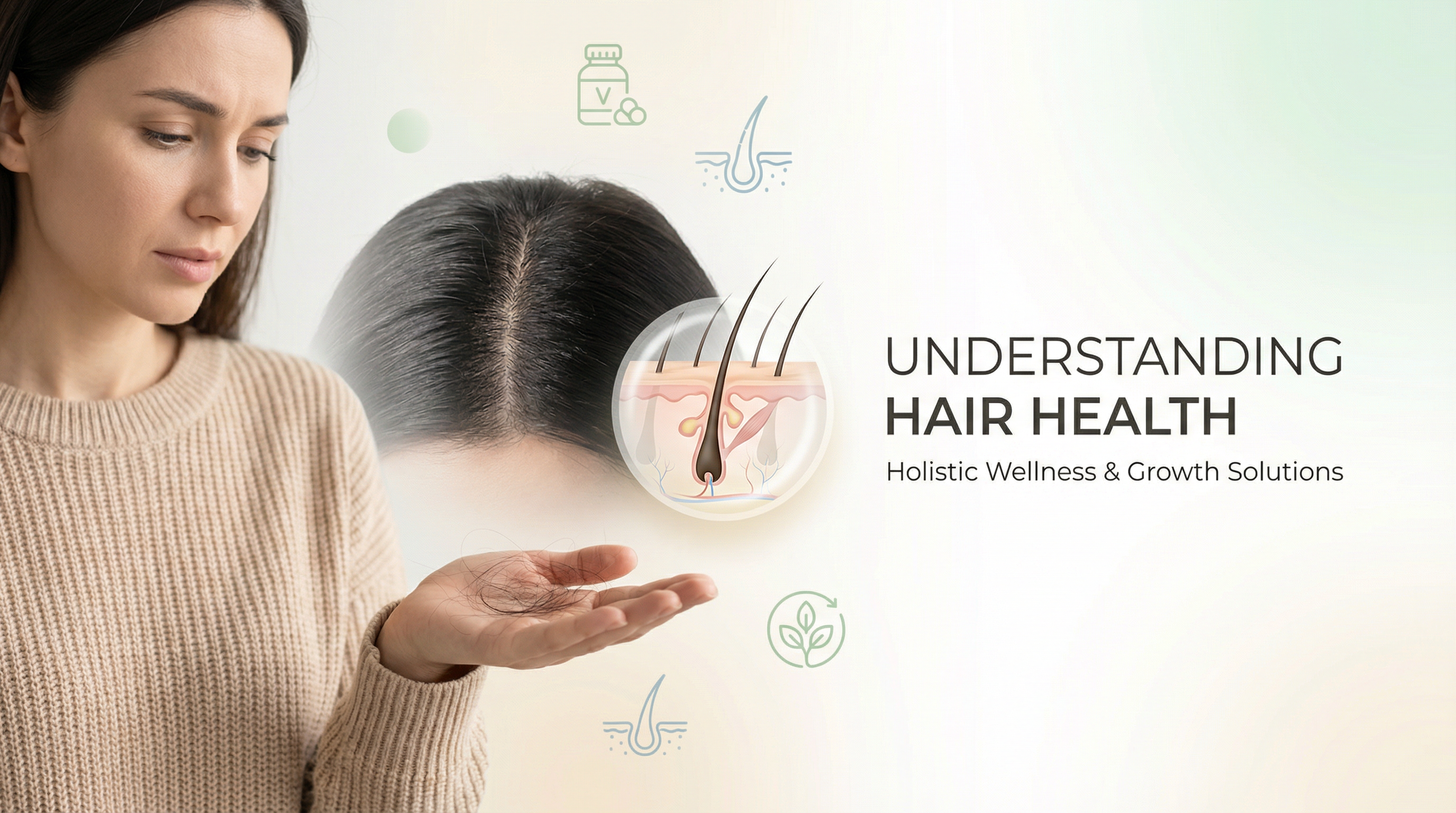
Hair fall can feel like a daily heartbreak. You wash your hair… and suddenly it looks like half your bathroom drain has started a second life as a hamster.
If you’re tired of watching your hair shed like autumn leaves, you’re not alone. According to the American Academy of Dermatology (AAD), it’s normal to lose 50–100 hairs per day, but anything more than that can start to feel overwhelming — and often signals an underlying issue you can fix.
So, let’s take this step by step. No weird hacks, no magical promises, no “apply onion on your head and pray to the moon” type tips.
Just real solutions based on real science.
1. First, Understand Why You’re Losing Hair
Before fixing hair fall, you need to know what’s causing it. Think of it like going to a mechanic — you can’t fix a car without knowing which part is making the strange noise.
Here are the most common reasons backed by dermatology experts:
Hormonal Imbalance
Hormonal shifts (especially androgens) can affect both men and women.
Conditions like PCOS, thyroid issues, or post-pregnancy changes often trigger shedding.
Source: AAD, Cleveland Clinic
Nutritional Deficiencies
Your hair is basically protein and minerals. When your body lacks nutrients, hair is the first thing to suffer because your system prioritizes vital organs.
Common deficiencies linked to hair fall include:
- Iron
- Vitamin D
- Zinc
- Protein
- Essential fatty acids
Source: Harvard Health, Cleveland Clinic
Stress
Chronic stress can push hair follicles into “rest mode,” causing telogen effluvium, a condition where hair sheds more than usual.
Hairstyling Damage
Excess heat, tight hairstyles, chemical treatments, and harsh shampoos weaken hair over time.
Genetics
This one’s a bit tricky. If your parents had hair loss patterns, you might experience the same — but you can still slow it down with proper care and early treatment.
Understanding the root cause is half the solution. Once you figure that out, stopping hair fall becomes much easier.
2. Improve Your Diet — Your Hair Eats Before It Grows
You can apply all the oils and serums in the world, but if your diet lacks nutrients, your hair won’t grow properly. Foods packed with protein, vitamins, and minerals give your hair the building blocks it needs.
A hair-healthy diet includes:
- Protein: eggs, fish, lentils, chicken, chickpeas
- Iron: spinach, red meat, pumpkin seeds
- Vitamin D: sunlight, fatty fish, fortified milk
- Omega-3 fatty acids: walnuts, flaxseeds, salmon
- Zinc: beans, seeds, nuts, whole grains
The Mayo Clinic confirms that nutritional deficiencies are one of the most common causes of hair thinning — and the easiest to fix through diet.
If you want strong hair, feed it like you mean it.
3. Fix Your Hair Care Routine (Most People Do These Wrong)
You’d be surprised how often hair fall comes from daily habits.
Let’s simplify your routine:
Use a gentle shampoo
Harsh shampoos can strip natural oils and weaken the scalp. Choose sulfate-free or mild cleansers and wash no more than 2–3 times a week, depending on your scalp type.
Conditioner is not optional
A good conditioner seals moisture, reduces breakage, and keeps hair manageable.
Avoid brushing wet hair
Wet hair stretches more easily and breaks faster. If you must detangle, use a wide-tooth comb.
Reduce heat styling
Blow dryers, straighteners, and curlers weaken hair over time. If you need heat, use a heat protectant.
Stop tight hairstyles
Ponytails, buns, and braids that pull on your scalp can cause traction alopecia, a real clinical condition where hair pulls out from the root.
Small routine changes can make a massive difference over months.
4. Strengthen Your Scalp – Because Hair Grows From There
Most people treat hair but ignore the scalp, even though the scalp controls growth. Healthy scalp = healthy hair.
Scalp massage
A study published in the Journal of Dermatology shows that regular scalp massage increases hair thickness by improving blood flow.
Try 5 minutes daily with your fingertips or while applying oil.
Use nourishing oils
Natural oils help keep the scalp healthy and reduce breakage:
- Coconut oil: reduces protein loss
- Castor oil: rich in ricinoleic acid
- Mustard oil: warms the scalp and increases circulation
- Rosemary oil: shown in studies to be as effective as minoxidil for some people
Massaging oil improves your scalp environment, reduces dryness, and promotes better growth.
5. Reduce Stress — Your Hair Likes Peace
Stress isn’t just in your head — your hair feels it too.
According to research published in Nature, the body’s stress hormones directly affect the hair growth cycle.
Try simple stress-reducing habits:
- Daily walk
- Deep breathing
- Yoga
- Reducing screen time
- Spending time in sunlight
- Sleeping 7–8 hours
Healthy mind = healthy scalp.
6. Check Your Hormones If Hair Fall Is Excessive
If your hair fall is sudden, severe, or long-lasting, hormonal imbalance may be the real cause.
You may need tests like:
- Thyroid panel
- Vitamin D levels
- Ferritin (iron storage)
- CBC
- Androgen levels
Source: Cleveland Clinic, AAD
If something is off, treating the root cause fixes the hair loss automatically.
7. Consider Dermatologist-Approved Treatments
If natural methods aren’t enough, science offers excellent solutions.
Minoxidil
Backed by decades of research and approved by the FDA, minoxidil can help regrow hair and reduce shedding in both men and women.
PRP therapy
Platelet-rich plasma boosts follicle activity and can help in severe cases.
Laser therapy
Low-level laser caps help stimulate hair follicles, although results vary from person to person.
Anti-androgen treatments (for women)
Prescribed medications may help when hair fall is due to hormonal imbalance.
These options are safe when monitored by a dermatologist.
8. Avoid Hair Fall Myths — They Waste Time
Let’s break a few popular myths:
❌ Myth: Cutting hair makes it grow faster.
Hair grows from the scalp, not the ends.
❌ Myth: Shampoo causes hair fall.
Losing hair in the shower is normal. You’re just seeing the hair that was already loose.
❌ Myth: Oil cures baldness.
Oil helps nourish hair but cannot regrow follicles that have already died.
❌ Myth: Only men lose hair.
Women experience hair fall at almost the same rate, especially after childbirth or due to PCOS.
Stay away from myths so you can focus on solutions that actually work.
9. Build a Weekly Routine That Actually Works
To make things practical, here’s a simple weekly plan:
Monday
Gentle wash + conditioner
5-minute scalp massage
Wednesday
Oil scalp lightly
Use a wide-tooth comb
Avoid heat styling
Friday
Wash hair
Apply a nourishing hair mask
Daily
Drink 2 liters of water
Eat a nutrient-dense diet
Sleep 7 hours
Avoid tight hairstyles
It’s simple, but consistency beats perfection.
10. When Should You See a Doctor?
You should seek professional help if:
- Your hair fall lasts more than 3 months
- You see patches of bald spots
- Your scalp is red, itchy, or painful
- You’re experiencing rapid thinning
- You had recent illness, surgery, or childbirth
A dermatologist can identify the underlying cause more quickly and offer targeted treatment.
Final Thoughts — You Can Stop Hair Fall, but You Must Be Consistent
Hair fall isn’t solved overnight. It takes 6–12 weeks to notice improvement, and 3–6 months for visible results.
The good news? Most hair fall is reversible. When you treat your scalp, nourish your body, reduce stress, and follow a healthy routine, hair naturally becomes stronger and thicker.
Just remember:
- Don’t panic
- Don’t try random hacks
- Fix the root cause
- Be patient
Healthy hair growth is slow, but absolutely achievable.
If you follow these steps consistently, you’ll not only stop hair fall — you’ll build stronger, healthier hair for the long run.