
Blog
Benefits of Herbal Hair Oil and How to Use It: Healthy Hair

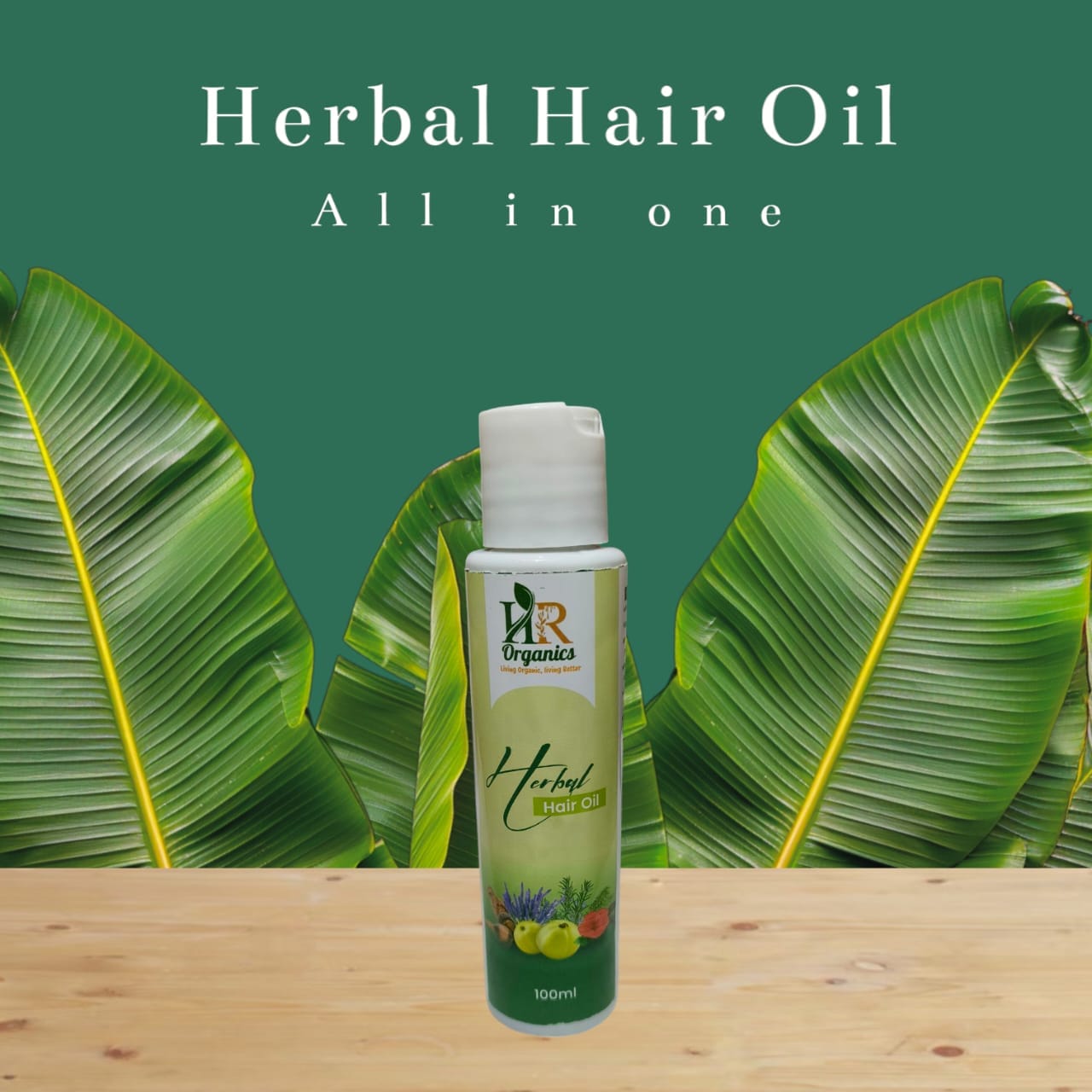
Introduction
In today’s fast-paced world, pollution, stress, and chemical-laden hair products take a toll on our hair health. If you’re struggling with hair fall, dandruff, or thinning hair, switching to a herbal hair oil might be the natural solution you’ve been searching for. Packed with the goodness of nature, herbal oils are time-tested remedies used for centuries in Ayurvedic and Unani medicine.
In this blog, we’ll explore everything you need to know about herbal hair oil, including its benefits, best ingredients, usage tips, and how to pick the right one for your hair type.
What is Herbal Hair Oil?
Herbal hair oil is a natural blend of carrier oils and medicinal herbs like amla, reetha, bhringraj, neem, rosemary, and more. These oils are either cold-pressed or infused with herbs through a traditional slow-heating method to extract their full potency.
Unlike synthetic hair oils, herbal hair oils are free from harmful chemicals, silicones, and parabens, making them a safer and long-term solution for healthier hair.
Top Benefits of Herbal Hair Oil
1. Promotes Hair Growth
Ingredients like bhringraj, rosemary, and amla deeply stimulate the scalp and improve blood circulation. This nourishment helps strengthen roots and encourages faster, healthier hair growth.
2. Reduces Hair Fall
Herbal oils nourish and strengthen hair from the root, significantly reducing breakage while protecting strands from damage. They also help prevent premature hair fall caused by stress, poor scalp health, and nutrient imbalance.
3. Fights Dandruff and Itchy Scalp
Neem, tea tree, and reetha contain powerful antifungal and antibacterial properties that effectively combat stubborn dandruff, soothe irritation, and protect the scalp from recurring infections. These natural ingredients help maintain a clean, healthy, and balanced scalp environment.
4. Improves Hair Texture and Shine
Regular oiling with nourishing herbs like hibiscus and coconut helps restore moisture, adding natural shine and long-lasting softness to dull, dry, and damaged hair. These ingredients deeply condition each strand, leaving hair smoother, healthier, and more manageable.
5. Delays Premature Greying
Herbs such as curry leaves and amla are rich in antioxidants and help preserve your natural hair color longer.
How to Use Herbal Hair Oil for Best Results
- Warm the Oil: Slightly warm the oil before application to help it penetrate the scalp better.
- Massage the Scalp: Use your fingertips to gently massage the oil into your scalp in circular motions for 5–10 minutes.
- Leave Overnight: For deep nourishment, leave the oil on overnight and wash off with a mild herbal shampoo.
- Use Twice a Week: Regular use 2–3 times a week gives noticeable improvement in hair quality.
Choosing the Right Herbal Hair Oil for Your Hair Type
- Dry and Frizzy Hair: Look for oils with coconut, hibiscus, and castor.
- Oily Scalp with Dandruff: Neem, tea tree, and reetha are ideal.
- Hair Fall Issues: Use oils enriched with bhringraj, amla, and rosemary.
- Thinning Hair: Go for lightweight oils with fenugreek and onion extract.
Final Thoughts
Incorporating herbal hair oil into your weekly routine is one of the easiest and most effective ways to bring back strength, shine, and volume to your hair—naturally. Whether you’re dealing with hair fall, dandruff, or dullness, nature has the solution. Choose the right herbal oil for your hair type, stay consistent, and watch your hair transform.
FAQs
Q: Is herbal hair oil safe for daily use?
A: Yes, it’s generally safe, but 2–3 times a week is sufficient for best results.
Q: Can I use herbal oil on colored or treated hair?
A: Yes, just ensure the oil is free from harsh essential oils or strong herbs.
Q: How long before I see results?
A: Visible results typically appear after 4–6 weeks of consistent use.